
Slipped Disc vs. Spondylosis: Understanding the Difference

Back pain is one of the most common health complaints today — especially among working professionals, elderly individuals, and those with sedentary lifestyles. Two frequently confused spinal conditions are slipped disc and spondylosis. While both can cause pain and discomfort, they are very different in nature, causes, and treatment approaches.

At Savitur, we believe that understanding your condition is the first step toward effective recovery. Let’s break down the difference clearly.

What is a Slipped Disc?
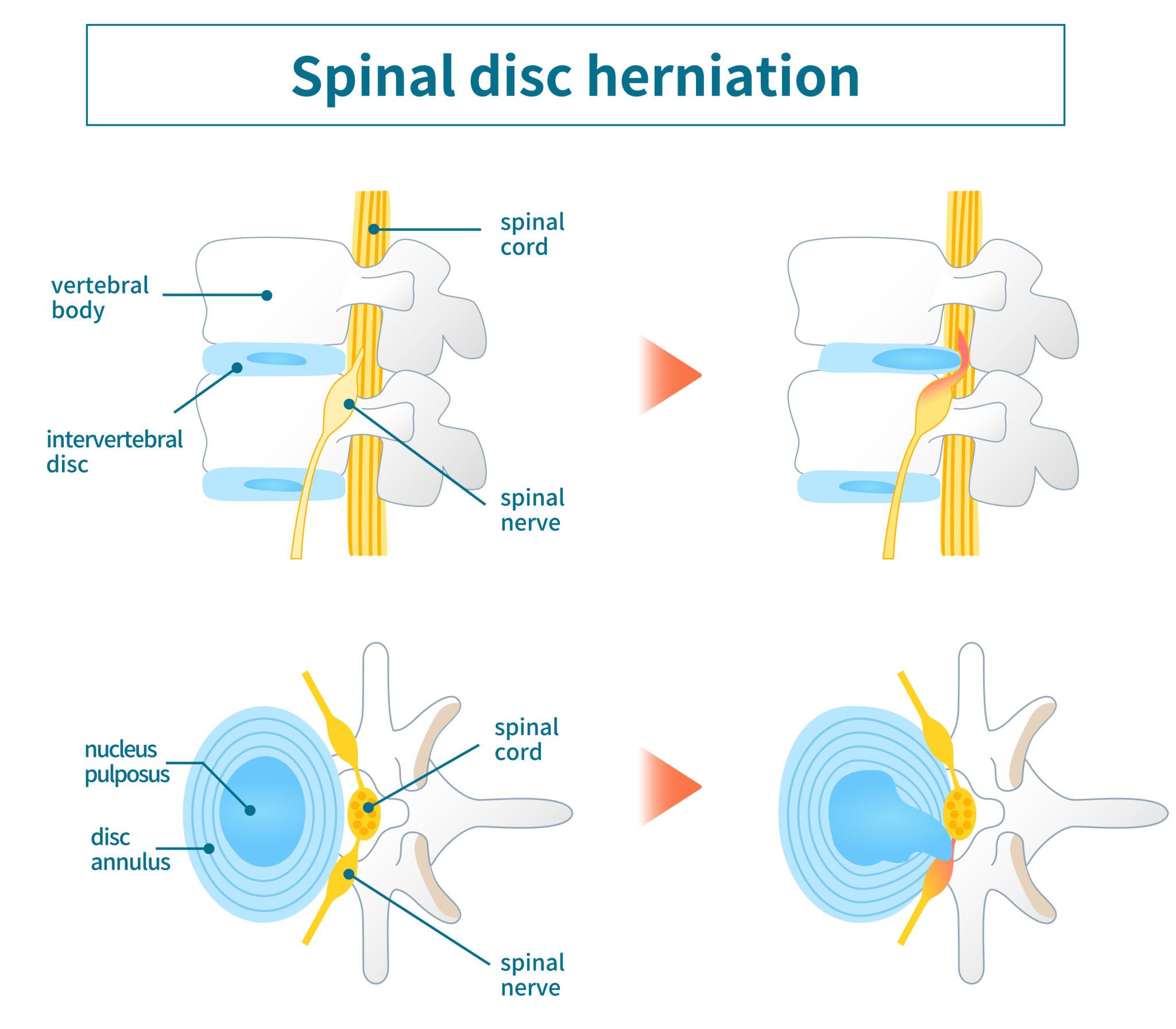
A slipped disc (also known as a herniated or prolapsed disc) occurs when the soft inner portion of a spinal disc pushes through its tougher outer layer.

How it happens:

Between each vertebra in your spine are cushioning discs that act as shock absorbers. When these discs weaken or face excessive pressure, the inner gel-like material may bulge out and press on nearby nerves.

Common Causes:

  • Sudden strain or heavy lifting

  • Incorrect posture

  • Injury or trauma

  • Age-related disc degeneration

Symptoms:

  • Sharp lower back or neck pain

  • Radiating pain into arms or legs (sciatica)

  • Numbness or tingling

  • Muscle weakness

A slipped disc often presents with acute and intense pain, especially when a nerve is compressed.


What is Spondylosis?
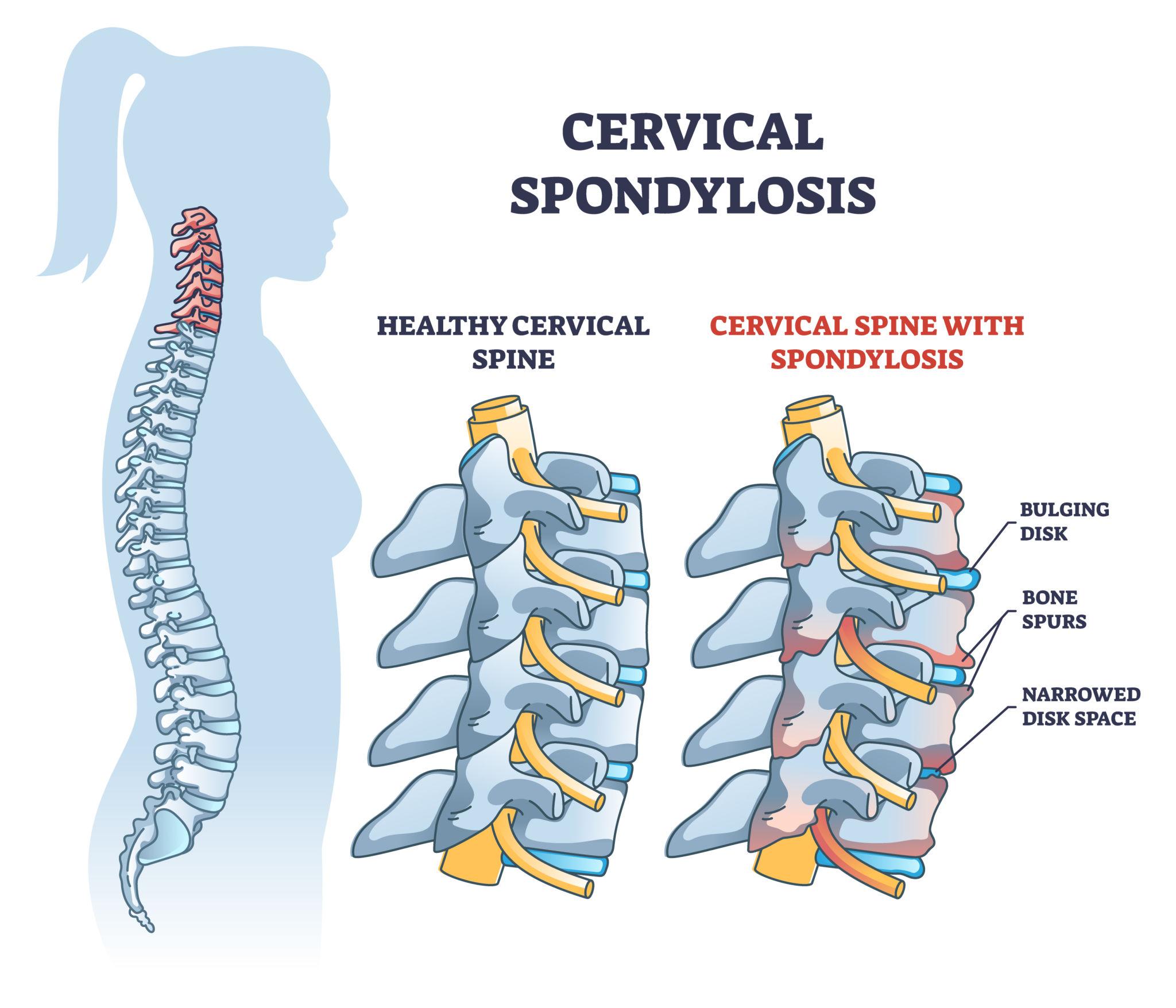
Spondylosis refers to age-related wear and tear of the spine. It is essentially spinal osteoarthritis and develops gradually over time.

What happens in spondylosis:

  • Disc degeneration

  • Formation of bone spurs (osteophytes)

  • Reduced disc height

  • Stiffness in spinal joints

Common Causes:

  • Aging

  • Long-term poor posture

  • Repetitive stress

  • Sedentary lifestyle

Symptoms:

  • Chronic back or neck pain

  • Morning stiffness

  • Reduced flexibility

  • Occasional nerve compression symptoms

Unlike a slipped disc, spondylosis is typically a slow, progressive condition rather than sudden.


Key Differences at a Glance

FeatureSlipped DiscSpondylosis
NatureDisc injuryDegenerative spine condition
OnsetSuddenGradual
Age Group20–50 yearsUsually 40+ years
Pain TypeSharp, radiatingDull, chronic stiffness
CauseDisc bulge pressing nerveWear & tear of spine

Can They Occur Together?

Yes. In many cases, age-related degeneration (spondylosis) can weaken discs and increase the risk of a slipped disc. That’s why accurate diagnosis through clinical evaluation and imaging is essential.


Treatment Approach at Savitur

At Savitur, we focus on non-invasive, regenerative solutions for spinal conditions. Advanced technologies such as Cytotron therapy aim to support cellular repair and tissue regeneration, helping reduce pain and improve mobility without surgery.

Our approach includes:

  • Detailed clinical evaluation

  • Advanced imaging assessment

  • Targeted regenerative therapy

  • Rehabilitation guidance

  • Lifestyle and posture correction support

Early intervention can prevent complications and improve long-term spinal health.


When Should You See a Specialist?

Seek medical attention if you experience:

  • Persistent back pain lasting more than 2 weeks

  • Pain radiating to arms or legs

  • Numbness or weakness

  • Difficulty in daily activities

Ignoring symptoms may worsen the condition and delay recovery.


Final Thoughts

While slipped disc and spondylosis both affect the spine, they are not the same. One is primarily a disc injury, and the other is age-related degeneration. Understanding the difference helps you choose the right treatment path.

If you or your loved ones are struggling with chronic back pain, consult the specialists at Savitur for a comprehensive evaluation and advanced non-surgical care options.

Scroll to Top