

Degenerative Disc Disease (DDD) is a common spinal condition in which the discs between the vertebrae gradually lose hydration, elasticity, and structural integrity. Despite the name, it is not truly a “disease,” but rather an age-related degenerative process.
The good news is that many cases can be managed effectively without surgery, especially in the early and moderate stages.
What Is Degenerative Disc Disease?
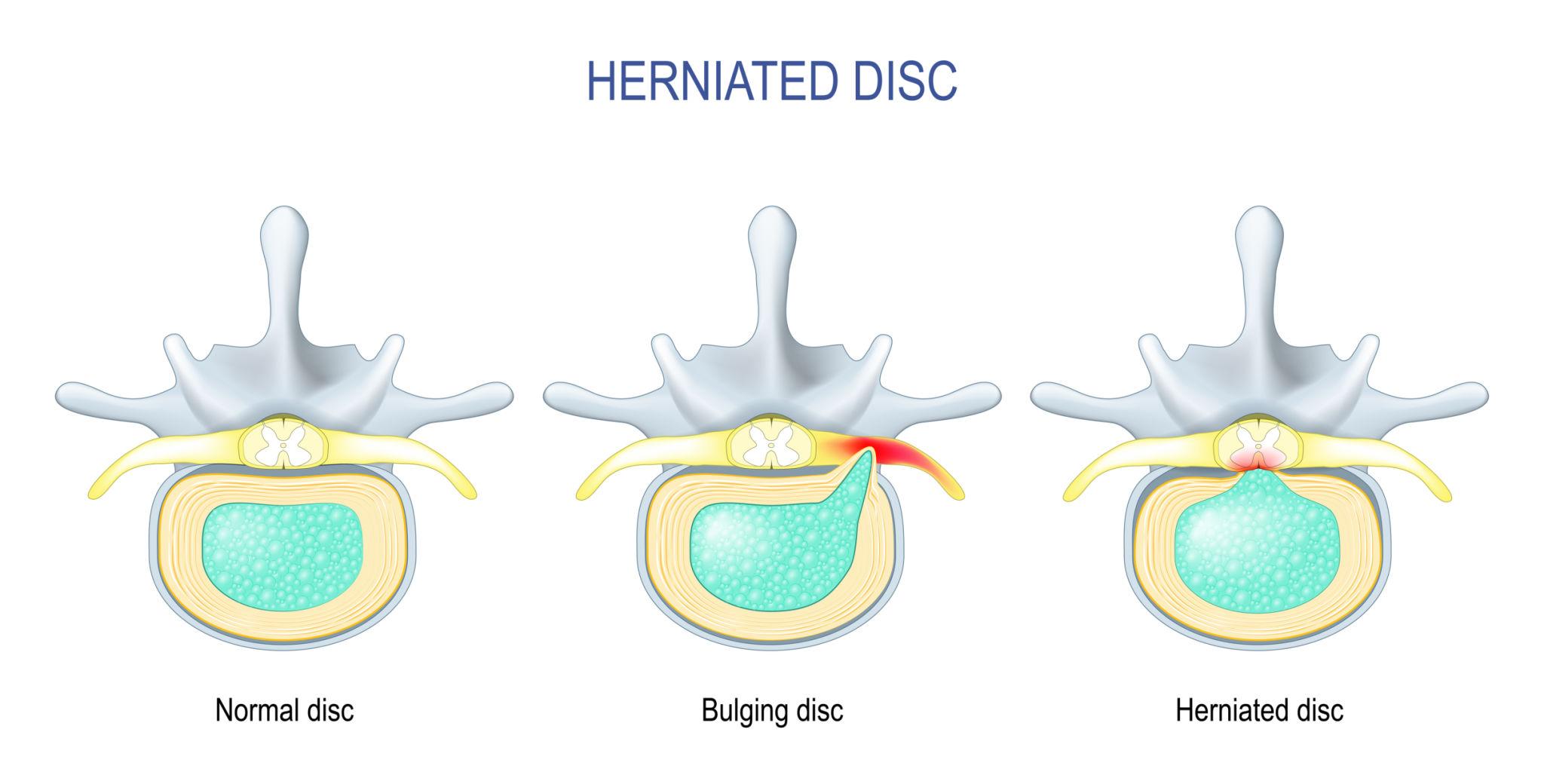
Spinal discs act as shock absorbers between the bones (vertebrae) of your spine. Over time, these discs can:
Lose water content
Become thinner
Develop small tears
Bulge or herniate
This may lead to:
Lower back pain
Neck pain
Radiating leg or arm pain
Stiffness
Reduced mobility
When Is Surgery Necessary?
Surgery is typically considered only when:
Severe nerve compression is present
Progressive neurological weakness occurs
There is loss of bladder or bowel control
Conservative treatments have failed after an adequate trial
Most patients do not require immediate surgery.
Non-Surgical Treatment Options
Lifestyle Modifications
Weight management
Ergonomic correction
Posture improvement
Avoiding heavy strain
These significantly slow progression.
Non-Invasive Regenerative Support
Emerging medical technologies such as Cytotron® Therapy are being explored as supportive options in certain degenerative spine conditions.
Cytotron® uses controlled electromagnetic fields aimed at supporting cellular-level repair and tissue response. It is non-invasive and may be considered in selected cases following detailed medical evaluation.
It is not a replacement for surgery when surgery is clearly indicated.
Can Degenerative Disc Disease Improve Without Surgery?
While disc degeneration is a gradual process, patients respond well to non-surgical management and experience:
Pain reduction
Improved mobility
Stabilization of symptoms
Better overall function
With structured conservative care, surgery may not always be necessary.
Who Is a Good Candidate for Non-Surgical Management?
Non-surgical treatment is usually suitable for:
Early to moderate disc degeneration
Chronic but stable symptoms
No severe neurological deficits
Patients seeking conservative care
A spine specialist evaluation, along with MRI imaging, is essential to determine the right approach.
Conclusion
Degenerative Disc Disease does not automatically mean surgery. In many cases, a structured, non-surgical treatment plan—including physiotherapy, medical management, and carefully selected supportive technologies—can provide meaningful symptom relief and functional improvement.
The key lies in early diagnosis, proper evaluation, and individualized treatment planning.
Disclaimer
Results vary from person to person. Non-surgical treatments may not be suitable for all cases. A proper medical consultation is required to determine the appropriate course of treatment.